

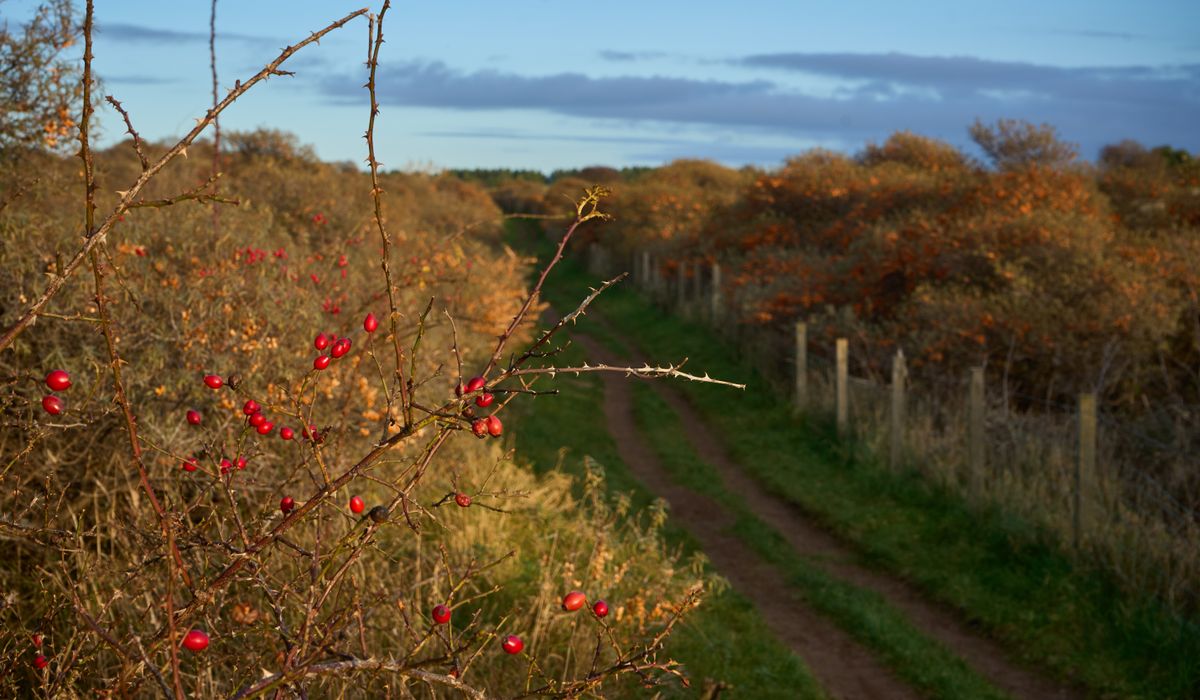
Winter strips the British countryside back to its bones. Hedgerows stand bare, the last crab apples hang like tiny lanterns, and the garden becomes a stage for our feathered neighbours. Without leaves to hide them, birds are easier to spot, and their calls carry crisply through the cold air. For the gardener and forager, this is a season of quiet observation — a chance to learn who visits your patch and how to keep them coming back.
Feeding birds in winter is not just a kindness; it is a practical way to support the wildlife that helps keep our gardens healthy. Many of these birds will repay you in spring by eating aphids, caterpillars and other pests. But first, you need to know who is who. Let us look at four of the most common winter visitors, how to recognise them by sight and song, and what they need from you.
The robin is the bird most of us picture when we think of winter. Its plump body, brown back and bright orange-red breast are unmistakable, though young birds in autumn can look speckled and dowdy before they moult into full colour. Robins are fiercely territorial, and both males and females sing in winter to defend their patch. Their song is a wistful, liquid warble — often described as melancholy, but to my ear it is hopeful, a small thread of sound in the greyest afternoon.
You will often see a robin perched low, watching you dig. It is waiting for worms, grubs and other small creatures to be turned up. If you want to encourage one, offer mealworms, suet crumbs or a little grated cheese. Robins prefer to feed from a ground tray or a low bird table rather than a hanging feeder, and they are quick to claim a spot as their own. A robin that trusts you is one of the great pleasures of a British garden.
Blue tits are tiny acrobats with blue caps, yellow bellies and white cheeks crossed by a black eye stripe. They hang upside down from feeders with careless ease, and their call is a high-pitched, insistent see-see-see, sometimes followed by a scolding churr. Great tits are larger, with a black head and white cheeks, and their song is a ringing teacher-teacher. Coal tits are smaller still, with a grey back and a neat white nape patch, and they often dart in to grab a seed before flying off to eat it in cover.
These small birds lose heat rapidly on cold nights, so they need rich, energy-dense food. Hang fat balls, sunflower hearts and peanuts in a secure feeder. Avoid loose peanuts in spring, when they can be harmful to nestlings, but in winter they are fine. A constant supply of food from December to February can make the difference between survival and starvation for a blue tit weighing less than a pound coin.
The male blackbird is glossy black with a bright orange-yellow bill and eye-ring; the female is brown with a speckled breast. Both have a mellow, fluting song that floats out at dawn and dusk — a sound that feels like the countryside itself. Blackbirds are ground feeders. They flick through leaf litter for worms and beetles, and they love a windfall apple or a handful of soaked raisins. Put these on a ground tray or directly on the lawn, and watch them hop and pause, head cocked to listen for movement beneath the soil.
Finches are the seed-eaters. The chaffinch is a handsome bird with a pinkish breast, blue-grey cap and bold white wing bars. Its song is a descending cascade of notes, ending with a flourish. The goldfinch has a red face, a gold wing bar and a black-and-white tail; its twittering call is like a handful of tiny bells. Greenfinches are greenish with yellow wing edges, and their song includes a nasal wheeze. Offer nyjer seed for goldfinches, sunflower hearts for chaffinches, and leave teasel and sunflower heads standing in the border for natural foraging.
Feeding is only part of the picture. Birds need clean water for drinking and bathing, especially when natural sources freeze. A shallow bird bath, kept ice-free with a gentle pour of warm water each morning, will attract more species than you might expect. Never add salt or antifreeze — plain warm water is all that is needed.
Winter is not a dead season in the garden. It is a season of subtle movement, of small dramas and quiet songs. Learn the robin's wistful warble, the blue tit's bright see-see-see, the blackbird's fluting dusk chorus and the finches' tinkling chatter. Put out food, keep water unfrozen, and leave a little wildness in the corners. In return, your garden will become a living, breathing refuge — and you will never look at a bare January branch the same way again.

Cedar Bramble Simple, genuine and looked after with care — the kind of place worth returning to.

Cedar Bramble No rushing, no fuss — just thoughtful notes and practical help, written by people who care.

Mix hawthorn, blackthorn, hazel and holly for a dense boundary. Choose bare-root whips in winter and mulch well after planting.

Comments
ALina Kelian
19th May 2018 ReplyCedar Bramble An honest, everyday look at the things that make life a little better — with advice you can actually use. ullamco laboris nisi ut aliquip ex ea commodo consequat.
Rlex Kelian
19th May 2018 ReplyCedar Bramble An honest, everyday look at the things that make life a little better — with advice you can actually use. ullamco laboris nisi ut aliquip commodo.
Roboto Alex
21th May 2018 ReplyCedar Bramble No rushing, no fuss — just thoughtful notes and practical help, written by people who care. ullamco laboris nisi ut aliquip ex ea commodo consequat.