

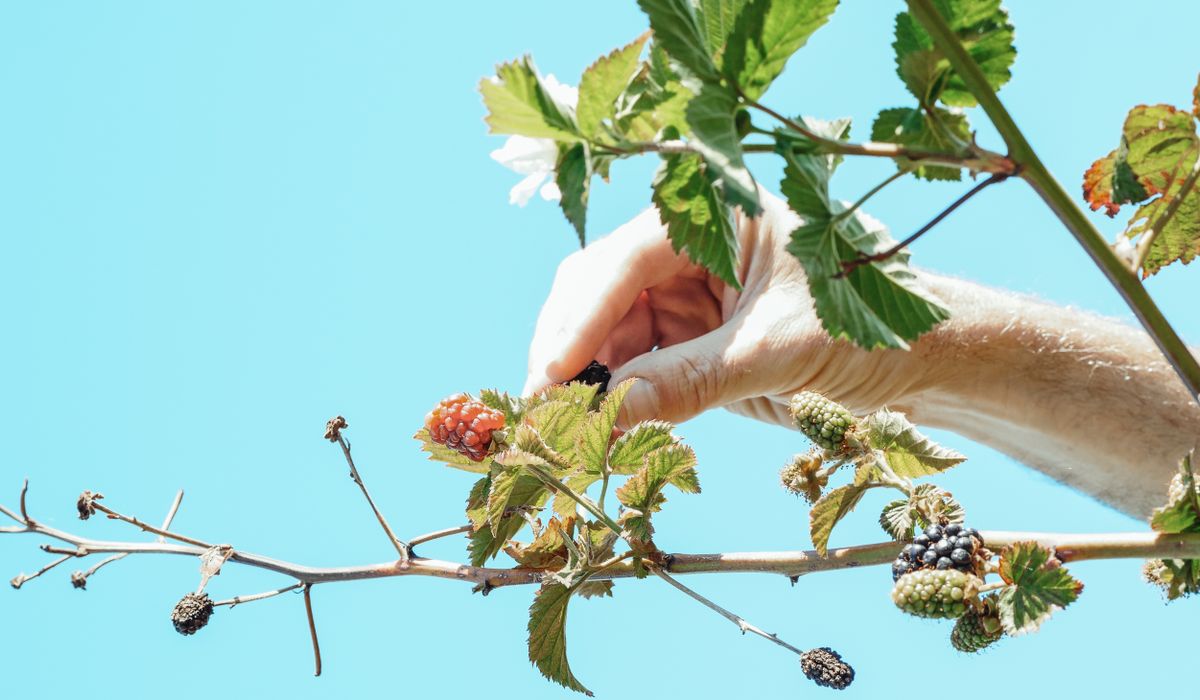
Walk the same stretch of country lane every week for a year and it will teach you more about the seasons than any almanac. A mixed hedgerow — hazel, hawthorn, blackthorn, dog rose, bramble, elder, field maple, ash, oak, honeysuckle and ivy — runs through its cycle in a reliable order: catkins, blossom, leaf, berry, bare wood. Learn that order and you can read the year at a glance.
Better still, every stage feeds something. The hedge is a layered larder and a shelter, and the more you notice, the more you will see using it.
January looks dead, but the hedge is quietly busy. Hazels move first — lamb's-tail catkins dangling gold, with tiny crimson female flowers on the same twig. Willows follow, silver turning to gold over a fortnight. Alder's catkins are longer and purple-brown. Ash keys may still hang on, and some oaks hold dead leaves well into spring.
Catkins matter because they are pollen for early insects. Queen bumblebees and hoverflies emerge from hibernation on mild days with little else to visit. Bare branches make the birds easy to see: bullfinch stripping buds, yellowhammer, and redwing and fieldfare working the leftover haws.
Winter is also the time for practical work. Note tracks in muddy gateways and at the hedge base — badger, fox, fallow deer, the runs of bank voles. If you manage your own hedge, lay or coppice a stretch now, between November and February, and plant bare-root whips: hawthorn, blackthorn, hazel and dog rose, five or six per metre in a staggered double row.
Blackthorn flowers first, usually in March, before any leaves — the cold snap that often follows is called blackthorn winter. Its fruit, the sloe, is a late autumn crop. Hawthorn follows in May, hence May blossom: creamy white, faintly unpleasant in smell. In between come wild cherry and then elderflower in June.
The order is worth writing down: blackthorn, cherry, hawthorn, elder. Once you have those dates you have a rough calendar for everything else.
Spring is noisy. Chiffchaff from March, blackcap and whitethroat from April, and nesting begins in earnest — dunnock, robin, blackbird, wren. Do not trim hedges between March and August. As well as removing berries and shelter, you risk disturbing nests, and all wild birds' nests are protected by law while in use.
Foraging here is modest: young hawthorn leaves, once known as bread and cheese, and wild garlic in the shade nearby. Take a little and leave the rest.
By June the hedge is dense and largely closed. Elderflower is ready for cordial — pick the heads on a dry sunny day and leave any with brown flowers. Bramble comes into flower and becomes the single most valuable plant in the hedge for insects, along with ivy later in the year.
Watch for moths at dusk, hoverflies on the umbels, and gatekeepers and meadow browns along sunny edges. Young birds fledge into the hedge and use it as a corridor between woods and gardens; dormice do the same where they survive.
If you cut your own hedge, wait until nesting is over. Late August or September is the usual compromise. Better still, cut in rotation: trim one stretch one year and the next stretch the following year, so some of the hedge always carries fruit through winter.
This is the payday. Hawthorn haws, dog rose hips, sloes, blackberries, elderberries, crab apples and hazelnuts. Look for colour shifts too: guelder rose turns crimson with translucent red berries, spindle carries pink capsules with orange seeds, field maple goes yellow. Ivy flowers in September and October and is a lifeline of late nectar.
Forage for personal use only, from abundant plants, and leave plenty for the birds. Know a species beyond doubt before eating it, wash everything, avoid busy road verges, and never uproot a plant.
By December the leaves are gone but the hedge still works. Hips and haws hang on as emergency rations for winter thrushes, ivy berries ripen late for blackcaps, and the dense structure of old hawthorn and blackthorn shelters small mammals and roosting birds.
Winter is the time to look at the hedge itself. Count the woody species in a thirty-yard stretch: Hooper's rule says that number roughly equals the hedge's age in centuries. Six species, roughly six hundred years. It is a guide, not a law, but it makes you look at a line of trees differently.
Then start again at the beginning and write down the dates — first catkin, first blackthorn flower, first hawthorn. After a few years you will have your own calendar, read from the hedge.

Cedar Bramble Simple, genuine and looked after with care — the kind of place worth returning to.

Cedar Bramble No rushing, no fuss — just thoughtful notes and practical help, written by people who care.

Cut once in late summer and remove clippings to reduce fertility. Sow yellow rattle and avoid fertilisers for a diverse, flower-rich meadow.

Comments
ALina Kelian
19th May 2018 ReplyCedar Bramble An honest, everyday look at the things that make life a little better — with advice you can actually use. ullamco laboris nisi ut aliquip ex ea commodo consequat.
Rlex Kelian
19th May 2018 ReplyCedar Bramble An honest, everyday look at the things that make life a little better — with advice you can actually use. ullamco laboris nisi ut aliquip commodo.
Roboto Alex
21th May 2018 ReplyCedar Bramble No rushing, no fuss — just thoughtful notes and practical help, written by people who care. ullamco laboris nisi ut aliquip ex ea commodo consequat.