

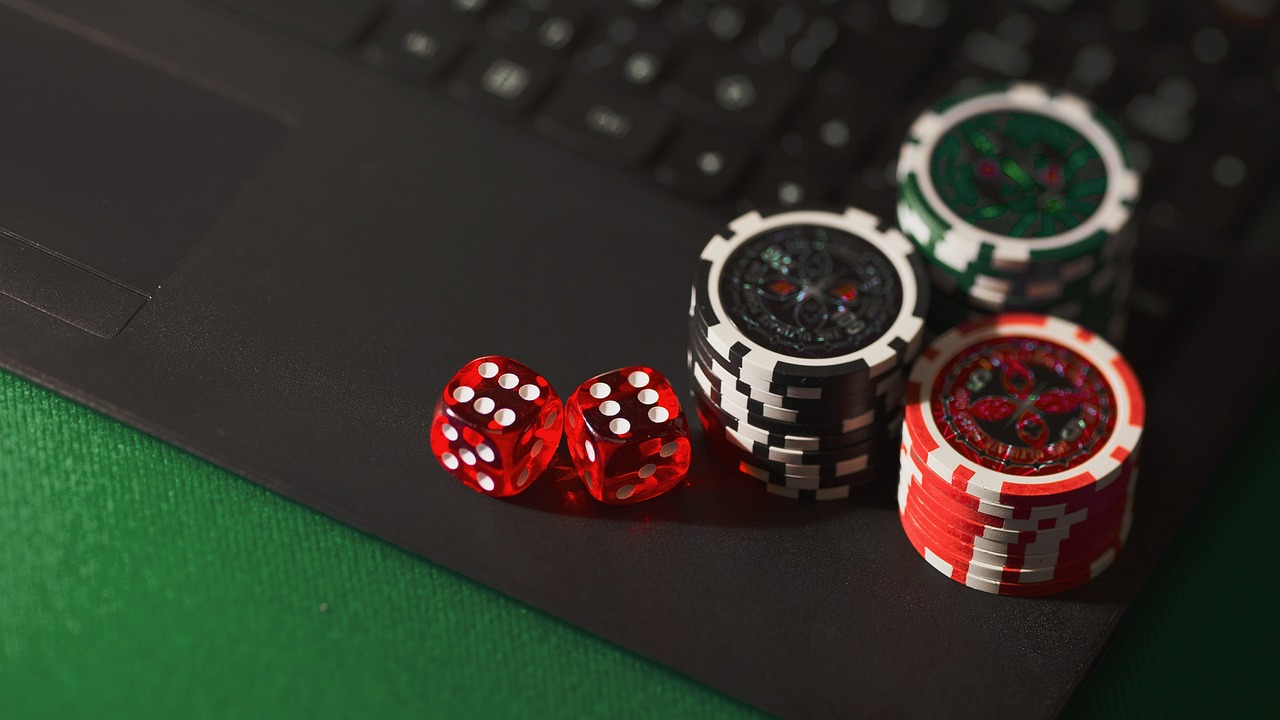
I still remember the first time I hit a max win on a slot machine. It was 3 a.m., I was playing a volatile Megaways title, and my balance jumped from $80 to nearly $4,000 in a single spin. I was hooked. But over the years, I've also watched that same thrill drain my bank account more times than I care to admit. The difference between players who enjoy iGaming long-term and those who burn out isn't luck. It's a set of habits and mindsets that most people never talk about.
You can memorize every poker odds chart and slot RTP table, but if you don't manage your money, you'll lose. It's that simple. I've seen skilled blackjack players go broke because they chased losses after a bad shoe. I've watched slot enthusiasts blow through their monthly budget in twenty minutes because they refused to lower their bet size.
Here's the system I use now, and it's boring on purpose:
I know this sounds like advice your dad would give you. But after a decade of playing slots, poker, and sports betting, I can tell you that every single person I know who still enjoys iGaming follows some version of this. The ones who don't have all quit, usually after a painful lesson. For practical tips, check out Debet.
Here's a number that surprises most people: a slot with 96% RTP still has a house edge of 4%. That means for every $100 you cycle through the machine, you'll lose $4 on average. But that's the long-term average. In a single session, you might lose 100% of your bankroll or triple it.
That's volatility, and it's the most misunderstood concept in iGaming. Low-volatility slots like Starburst pay small amounts frequently. High-volatility titles like Bonanza or San Quentin can go 500 spins without a win, then pay 1,000x your bet in a single bonus round.
Neither is better. They're just different tools. If you have a small bankroll and want to play for an hour, low volatility is your friend. If you're chasing a big score and can afford the swings, high volatility gives you that shot. The mistake is playing a high-volatility slot with a $20 bankroll and getting frustrated when it eats your balance in ten minutes. That's not the game's fault. That's a mismatch between the game and your expectations.
People often lump poker and casino games together, but they're completely different beasts. Casino games are about luck and bankroll management. Poker is about luck, bankroll management, and reading opponents.
In Texas Hold'em, you can play perfectly and still lose to a bad beat. That's the nature of variance. But over thousands of hands, the better player wins. The key skills are:
Casino games don't care about any of that. You can't bluff a slot machine. You can't read the dealer's face in blackjack (well, you can count cards, but that's a different conversation). That's why I treat them as separate hobbies with separate budgets. Poker is my competitive outlet. Slots are my entertainment. Mixing them up leads to confusion and bankroll bleed.
Every online casino throws welcome bonuses at you. "Deposit $100, get $200 free!" Sounds great, right? Then you read the terms and find a 40x wagering requirement on the bonus plus the deposit. That means if you deposit $100 and get a $100 bonus, you need to wager $8,000 before you can withdraw a cent. On a 96% RTP slot, the expected loss on that wagering is $320. You're not getting $100 free. You're paying for the privilege of gambling more.
That doesn't mean all bonuses are bad. Some are genuinely useful, especially reload bonuses with low wagering (10x or less) or free spins with no wagering requirements. My rule is simple: if the wagering requirement exceeds 30x, I skip it unless I was going to play that much anyway. And I never change my bet size just to clear a bonus faster. That's how you turn a fun session into a grind.
The best players I know aren't the ones who win the most. They're the ones who know when to stop. That's true in poker, in slots, and in sports betting.
Here are my personal walk-away triggers:
Walking away with a small win feels boring compared to the adrenaline of a big pot. But boring is sustainable. And in iGaming, sustainability is the only way to actually enjoy the ride.
The moment you start viewing iGaming as a way to pay rent, you've already lost. The house edge ensures that the vast majority of players will lose money over time. That's not pessimism. That's math. The players who last are the ones who treat slots, poker, and betting as entertainment, the same way they'd treat a night at the movies or a round of golf. They set a budget, they enjoy the experience, and they walk away when the budget is spent.
If you can do that, you'll be ahead of 90% of the players out there. And you might even hit that max win along the way. Just don't bet your rent on it.

Cedar Bramble Simple, genuine and looked after with care — the kind of place worth returning to.

Cedar Bramble No rushing, no fuss — just thoughtful notes and practical help, written by people who care.

Identify wild garlic safely by its pungent leaves and white flowers. Pick responsibly in woodland, avoiding rare plants and protected sites.

Comments
ALina Kelian
19th May 2018 ReplyCedar Bramble An honest, everyday look at the things that make life a little better — with advice you can actually use. ullamco laboris nisi ut aliquip ex ea commodo consequat.
Rlex Kelian
19th May 2018 ReplyCedar Bramble An honest, everyday look at the things that make life a little better — with advice you can actually use. ullamco laboris nisi ut aliquip commodo.
Roboto Alex
21th May 2018 ReplyCedar Bramble No rushing, no fuss — just thoughtful notes and practical help, written by people who care. ullamco laboris nisi ut aliquip ex ea commodo consequat.