

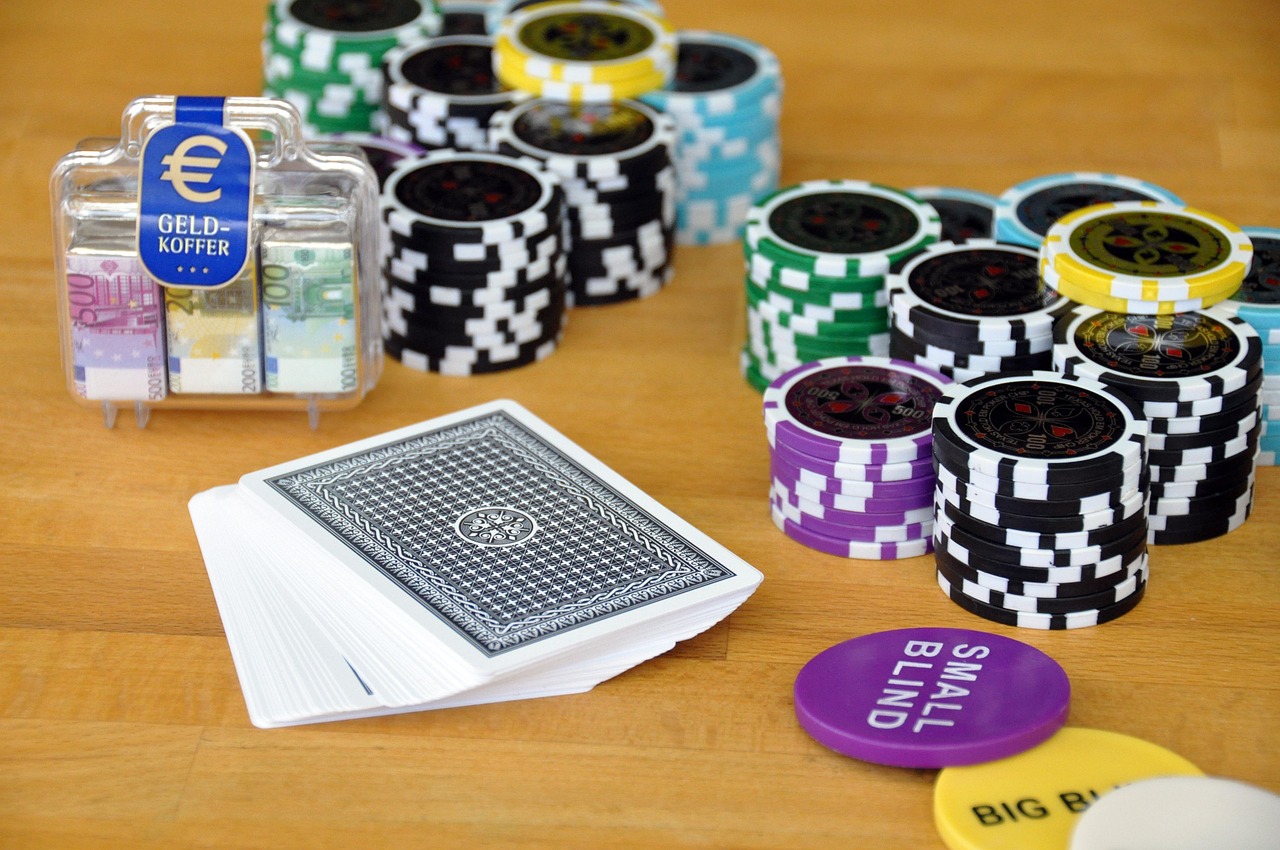
Most people who lose money at a casino don't lose it because they're unlucky. They lose it because they walked in with a plan that amounted to "spend a bit, see what happens." That's not a plan. That's a lottery ticket with extra steps. The players who actually stick around — the ones who treat iGaming as entertainment rather than a get-rich scheme — share a handful of habits that have nothing to do with secret systems or hot machines. They understand the math, they respect their bankroll, and they know exactly what kind of player they are.
Let's break down what that actually looks like across slots, table games, and poker, because each one demands a different mindset.
New players obsess over RTP (return to player). Fair enough — a 96.5% RTP game is mathematically better than a 94% one over millions of spins. But in a single session, RTP tells you almost nothing. Volatility is what decides whether your $100 lasts ten minutes or three hours.
A practical tip: check the max win and hit frequency before you spin. A slot advertising a 50,000x max win is telling you payouts are rare. A game with a 5,000x cap and frequent features will feel much friendlier. Also, stop chasing. The gambler's fallacy — believing a machine is "due" — costs people more money than bad luck ever will. Every spin is independent. The RNG doesn't remember your last loss.
Unlike slots, table games give you a genuine choice about how badly you want to be beaten. The house edge varies wildly depending on what you play and, crucially, how you play it.
The lesson here is simple: learn one game properly instead of dabbling in five. A player who knows basic strategy cold has a real edge over someone guessing. If you're going to spend an hour at a table, spend twenty minutes beforehand learning the rules. Free play modes exist for exactly this reason.
Poker is a different animal. There's no house edge in the traditional sense — you're playing against opponents, and the casino just takes a rake. That means your profit comes from other people's mistakes, which changes everything about how you should think. Some of the clearest guidance on this comes from สล็อตเว็บตรง.
Three pillars separate winning players from losing ones:
Tilt is the silent killer. The moment you start playing to "get back" at someone who sucked out on you, you've stopped playing poker and started gambling. Take a break. The table will still be there in twenty minutes.
Here's the uncomfortable truth: most iGaming losses aren't caused by bad games, they're caused by bad decisions about how much money was on the table in the first place. Set a session limit before you log in, and treat it as absolute. Not "I'll stop when I'm up" — that's a fantasy. Stops should work both ways.
A few rules that actually work:
Welcome bonuses, free spins, and deposit matches look like free money. Sometimes they are. Often they're a leash. Before you accept anything, read the wagering requirements. A "100% match up to $500" sounds great until you discover you must wager the bonus 40 times before withdrawing. That means a $500 bonus requires $20,000 in bets — at which point the house edge has almost certainly reclaimed its money.
Look for low wagering multipliers, reasonable time limits, and restrictions on which games count toward clearing. Slots usually contribute 100%, while blackjack and roulette often count for 10% or less. Online casino reviews and bonus terms pages spell this out — read them, even the boring bits.
iGaming is entertainment, and like any entertainment, it has a price. The difference between a fun night and a financial regret usually isn't luck — it's whether you understood the odds, respected your limits, and played games you actually know. Master one slot's volatility, learn basic blackjack strategy, study the fundamentals of poker position, and never take a bonus you don't understand. Do that, and you'll get more playtime, fewer surprises, and the satisfaction of being the person at the table who actually knows what they're doing.

Cedar Bramble Simple, genuine and looked after with care — the kind of place worth returning to.

Cedar Bramble No rushing, no fuss — just thoughtful notes and practical help, written by people who care.

Identify wild garlic safely by its pungent leaves and white flowers. Pick responsibly in woodland, avoiding rare plants and protected sites.

Comments
ALina Kelian
19th May 2018 ReplyCedar Bramble An honest, everyday look at the things that make life a little better — with advice you can actually use. ullamco laboris nisi ut aliquip ex ea commodo consequat.
Rlex Kelian
19th May 2018 ReplyCedar Bramble An honest, everyday look at the things that make life a little better — with advice you can actually use. ullamco laboris nisi ut aliquip commodo.
Roboto Alex
21th May 2018 ReplyCedar Bramble No rushing, no fuss — just thoughtful notes and practical help, written by people who care. ullamco laboris nisi ut aliquip ex ea commodo consequat.